45 tf dataset get labels
TensorFlow全新的数据读取方式:Dataset API入门教程 - 知乎 运行dataset = tf.data.Dataset.from_tensor_slices((filenames, labels))后,dataset的一个元素是(filename, label)。filename是图片的文件名,label是图片对应的标签。 之后通过map,将filename对应的图片读入,并缩放为28x28的大小。此时dataset中的一个元素是(image_resized, label) python - Stack Overflow The tf.data.Dataset object is batch-like object so you need to take a single and loop through it. For the first batch, you do: for image, label in test_ds.take(1): print (label) I used test_ds from your code above because it has the data and labels all in one object. So the take away is that tf.data.Dataset object is a batch-like object.
How to convert my tf.data.dataset into image and label ... I created a tf.data.dataset using the instructions on the keras.io documentation site. dataset = tf.keras.preprocessing.image_dataset_from_directory( directory, labels="inferred", label_mode="int", class_names=None, color_mode="rgb", batch_size=32, image_size=(32,32), shuffle=True, ) My file directory is organized into classes with jpg files inside.
Tf dataset get labels
tf.data.Dataset implementation using generator - Gist Helper class to create a tf.data.Dataset with shuffle, batch, and transforms :param images: numpy array of images [num_images, height, width, channels] :param labels: numpy array of labels Python Examples of tensorflow_datasets.load - ProgramCreek.com labels : np.ndarray The labels matrix. batch_size : int The mini-batch size. as_supervised : bool Boolean whether to load the dataset as supervised or not. Returns ----- dataset : tf.data.Dataset The dataset pipeline object, ready for model usage. Predict cluster labels spots using Tensorflow - Read the Docs you can specify multiple layers to obtain crops from multiple pre-processing steps. return_obs=false, ) image_dataset = tf.data.dataset.from_tensor_slices( [x for x in spot_generator]) # label dataset lab = get_ohe(adata, cluster_key, obs_names) lab_dataset = tf.data.dataset.from_tensor_slices(lab) ds = tf.data.dataset.zip( (image_dataset, …
Tf dataset get labels. tfds.features.ClassLabel - TensorFlow value: Union[tfds.typing.Json, feature_pb2.ClassLabel] ) -> 'ClassLabel' FeatureConnector factory (to overwrite). Subclasses should overwrite this method. This method is used when importing the feature connector from the config. This function should not be called directly. FeatureConnector.from_json should be called instead. Image Classification With TensorFlow.js Image Classification, or sometimes called Image Recognition, is the task of associating one or more labels to a given image, based on the objects that appear in the image. If we are assigning just one label we are talking about single-label classification, and if we are assigning multiple labels to an image we are talking about multiple-label classification. How to train a Keras model on TFRecord files def load_dataset(filenames, labeled=true): ignore_order = tf.data.options() ignore_order.experimental_deterministic = false # disable order, increase speed dataset = tf.data.tfrecorddataset( filenames ) # automatically interleaves reads from multiple files dataset = dataset.with_options( ignore_order ) # uses data as soon as it streams in, rather … Using the tf.data.Dataset - Tensor Examples def create_dataset_generator (inputs, labels): def argument_free_generator (): for inp, label in zip (inputs, labels): yield inp, label return argument_free_generator # Create the generator which yields inputs and outputs generator = create_dataset_generator (x_train, y_train) # Create the tf.data.Dataset from this generator and specify the types and shapes of the data.
Datasets - TF Semantic Segmentation Documentation dataset/ labels.txt test/ images/ masks/ train/ images/ masks/ val/ images/ masks/ or use dataset/ labels.txt images/ masks/ The labels.txt should contain a list of labels separated by newline [/n]. For instance it looks like this: background car pedestrian Create TFRecord MNIST digits classification dataset - Keras tf.keras.datasets.mnist.load_data(path="mnist.npz") Loads the MNIST dataset. This is a dataset of 60,000 28x28 grayscale images of the 10 digits, along with a test set of 10,000 images. More info can be found at the MNIST homepage. Google Colab You will find useful TF code snippets below for parsing them. If you do "return image, label" in the decoding function, you will have a Dataset of pairs (image, label). You can see the flowers and their labels with the display_9_images_from_dataset function. It expects the Dataset to have (image, label) elements. TensorFlow - gcptutorials Lets normalize the images in dataset using map () method , below are the two steps of this process. Create a function to normalize the image def normalize_image(image, label): return tf.cast (image, tf.float32) / 255., label Apply the normalize_image function to the dataset using map () method ds = ds.map (normalize_image)
A hands-on guide to TFRecords - Medium To get these {image, label} pairs into the TFRecord file, we write a short method, taking an image and its label. Using our helper functions defined above, we create a dictionary to store the shape of our image in the keys height, width, and depth — w e need this information to reconstruct our image later on. How to use text_dataset_from_directory in TensorFlow Create labeled tf.data.Dataset using text_dataset_from_directory batch_size = 64 seed = 32 training_dataset = tf.keras.preprocessing.text_dataset_from_directory( 'aclImdb/train', batch_size=batch_size, validation_split=0.3, subset='training', seed=seed) Check labels for corresponding classes How to filter Tensorflow dataset by class/label? | Data ... Hey @bopengiowa, to filter the dataset based on class labels we need to return the labels along with the image (as tuples) in the parse_tfrecord() function. Once that is done, we could filter the required classes using the filter method of tf.data.Dataset. Finally we could drop the labels to obtain just the images, like so: tf.keras.preprocessing.image_dataset_from_directory - W3cub Then calling image_dataset_from_directory (main_directory, labels='inferred') will return a tf.data.Dataset that yields batches of images from the subdirectories class_a and class_b, together with labels 0 and 1 (0 corresponding to class_a and 1 corresponding to class_b ). Supported image formats: jpeg, png, bmp, gif.
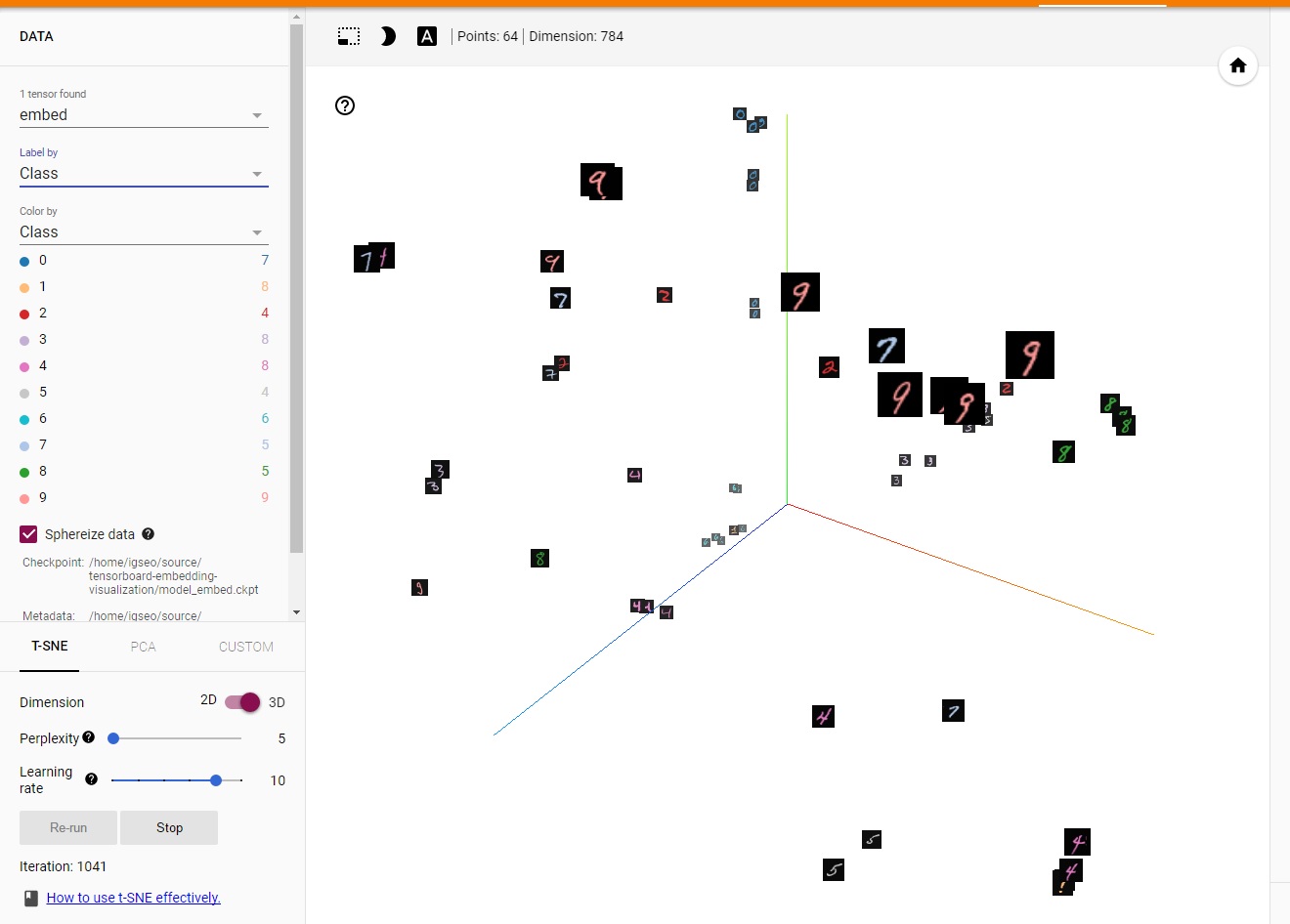
GitHub - jireh-father/tensorboard-embedding-visualization: Easily visualize embedding on ...
tf.data: Build TensorFlow input pipelines - Google Search The tf.data module provides methods to extract records from one or more CSV files that comply with RFC 4180. The experimental.make_csv_dataset function is the high level interface for reading sets of csv files. It supports column type inference and many other features, like batching and shuffling, to make usage simple.
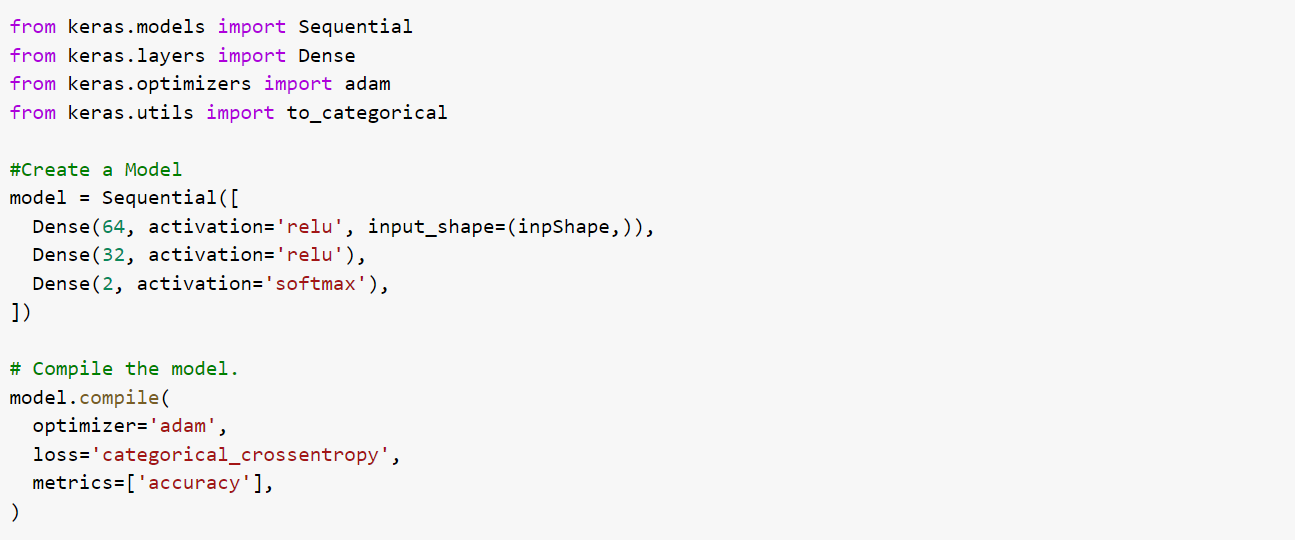
Simple Word Embedding for Natural Language Processing | by Srinivas Chakravarthy | Towards Data ...
Keras tensorflow - GitHub To get the prediction, you could use something like: for image, target in ds : y = model ( image, training=False) # Or y = model.predict (image) # then compare y with target. Sorry, something went wrong. Conchylicultor added the help label on Oct 1, 2020.

Layers in Tensorflow | basiafusinska | Katacoda
Tensorflow - GeeksforGeeks Syntax : tf.data.Dataset.from_tensor_slices (list) Return : Return the objects of sliced elements. Example #1 : In this example we can see that by using tf.data.Dataset.from_tensor_slices () method, we are able to get the slices of list or array. import tensorflow as tf.

Importing my own dataset for the Nengo Model - General Discussion - Nengo forum
TensorFlow学习笔记(4): Tensorflow tf.data.Dataset - 知乎 TensorFlow学习笔记 (4): Tensorflow tf.data.Dataset. Datasets和Estimators是Tensorflow中两个最重要的模块:. Estimator是一个封装好的比较高层的创建Tensorflow模型的方法,Estimator包括预先训练好的模型,也可以用来创建自己的定制化的模型。. 在Tensorflow框架中,Dataset和Estimator如下 ...

Layers in Tensorflow | basiafusinska | Katacoda
Data pipelines with tf.data and TensorFlow - PyImageSearch The dataset we are using for today's post is for Invasive Ductal Carcinoma (IDC), the most common of all breast cancer. Long-time PyImageSearch readers will recognize that we used this dataset in our Breast cancer classification with Keras and Deep Learning tutorial.. We will use this same dataset here today so that we can compare the data processing speed of ImageDataGenerator to tf.data ...
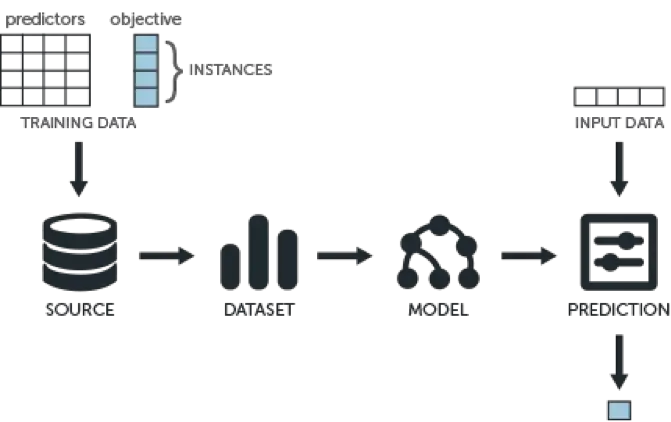
Tensorflow.js Tutorial with MNIST Handwritten Digit Dataset Example | MLK - Machine Learning ...
Create a Dataset from TensorFlow ImageDataGenerator - Medium We will be looking at tf.data.Dataset.from_generator () function which accepts 3 inputs and returns a dataset for us. Things to be noted: In the place of lambda use your data generator object. The...
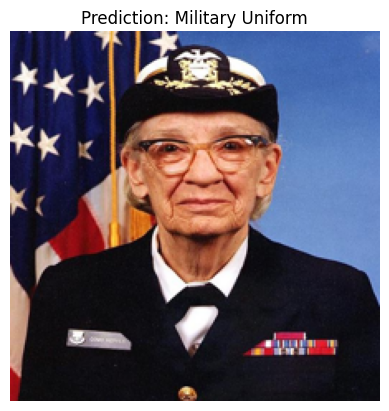
Transfer learning with TensorFlow Hub | TensorFlow Core
How to use Dataset in TensorFlow - Medium dataset = tf.data.Dataset.from_tensor_slices (x) We can also pass more than one numpy array, one classic example is when we have a couple of data divided into features and labels features, labels = (np.random.sample ( (100,2)), np.random.sample ( (100,1))) dataset = tf.data.Dataset.from_tensor_slices ( (features,labels)) From tensors

Training and Serving ML models with tf.keras – ML6team
tf.data: Build Efficient TensorFlow Input Pipelines for ... def get_label(file_path): print("get_label acivated...") parts = tf.strings.split(file_path, '/') file_name= parts[-1] labels= df[df["Filenames"]==file_name][LABELS].to_numpy().squeeze() return tf...
Post a Comment for "45 tf dataset get labels"