41 reading nutrition labels australia
PDF Food label reading guide - Nutrition Australia • Always compare the nutrition information panel (NIP) or health star rating of similar products, for example compare one brand of yoghurt with another brand of yoghurt. • The more stars out of five, the healthier the food or drink choice. Food labels Reading food and drink labels can help us make healthy choices. Food and drink labels will How to read a label | NSW Food Authority How to read a label Nearly every food product requires a label with specific information that tells us what's in it, how to handle it, and where it has come from, to help us make healthy and safe food choices. See Labels & the law for a list of everything that should be included on a food label. Ingredients & Nutrition
Nutrition information panels - Food Standards Nutrition information panels (NIP) on food labels provide information on the average quantity of energy in kilojoules or in kilojoules and kilocalories and these nutrients: protein fat saturated fat carbohydrate sugars sodium - a component of salt. A NIP will include information about other nutrients if a claim is made.

Reading nutrition labels australia
How to Read Nutrition Facts | Food Labels Made Easy - YouTube To support our channel and level up your health, check out:Our Fast Weight Loss Course: B... How to read food labels in Australia: Find nasties and real nutritional ... From this nutrition panel, we can see that there are 1560kJ per 100g. There is very little protein at 1.8g per 100g, and 89.4g of carbohydrates. The important thing to note is how much sugar the product contains. In this product there is 25.1g of sugar per 100g, which means that much of the carbohydrate content comes from sugar. PDF Reading food labels Reading food labels Developed by NAQ Nutrition with funding received from the Queensland Government funded Smart Choices Initiative. The ingredients list Ingredients are listed in order of quantity from the highest to the lowest. Look for fat, sugar and salt on the ingredients list.
Reading nutrition labels australia. How to Read Food Labels & Understand Nutrition Info Panel | Better ... Nutrition Australia states that 460-920g daily value of sodium is adequate for our health. That equates to 1.15-2.3g of salt per day. Excess salt consumption raises your blood pressure and hypertension is associated with a higher risk of stroke and heart disease. Keeping your intake to 4g of sodium per day or less is key. PDF Reading food labels - Queensland Health Reading food labels . Understanding how to read food labels can help you make healthy food choices. Food Standards Australia and New Zealand (FSANZ) regulates food labelling in Australia. Most packaged food and drink must have a nutrition information panel. Exceptions include those in very small packages, some baked products and take-away food ... Food label reading guide | Nutrition Australia What to look for when reading food and drink labels (per 100g) Health Star Ratings The Health Star Rating is a front of pack labelling scheme which can be used to make healthier food choices at a glance. The rating range is from ½ - 5 stars and the more stars, the healthier the choice. Recommended minimum star ratings for food and drink categories How to Read Food Nutrition Labels | nib Energy. Let's start at the top of the label with 'energy'. Usually measured in kilojoules, it's the total amount of energy you'll consume from the food or drink. Energy is a combination of fats, protein and carbohydrates and the more energy you ingest, the more you should aim to burn off (for example, with exercise).
Reading food labels to avoid food allergies and intolerances In Australia, many allergens must be declared on food labels regardless of the amount present. This includes ingredients that may be classed as processing aids e.g. flour used to coat moulds. Allergens that must be declared by law are milk, egg, soy, wheat, fish, seafood, tree nut and peanut. A variety of terms can be used to identify ... Labelling Guidance - Australian Beverages This mandatory requirement must provide information for both the recommended serving size and per 100mL serving of that product in order to assist consumers in making healthy choices in support of the Australian Dietary Guidelines. You will also find the following information on food labels: Product name. Brand name. Ingredient list. Food labels: a guide to reading nutrition labels - MyDr.com.au A list of food additive numbers and names is available from Food Standards Australia New Zealand. Allergens Any ingredient that is known to cause severe allergic reactions in some people (e.g. peanuts, tree nuts, wheat, fish and shellfish, milk, eggs, sesame seeds, soy) must be declared on the label, even if there is only a very small amount of ... PDF how to understand food labels - Eat For Health Not all labels include fibre. Choose breads and cereals with 3g or more per serve Nutrition Information Servings per package - 16 Serving size - 30g (2/3 cup) Per serve Per 100g Energy 432kJ 1441kJ Protein 2.8g 9.3g Fat Total 0.4g 1.2g Saturated 0.1g 0.3g Carbohydrate Total 18.9g 62.9g Sugars 3.5g 11.8g Fibre 6.4g 21.2g Sodium 65mg 215mg
Labelling - Food Standards The Code also includes specific labelling and information requirements that apply to certain food products only (Chapter 2 of the Code). In addition to the Food Standards Code, all representations made about food are subject to fair trading laws and food laws in Australia and New Zealand which prohibit false, misleading or deceptive ... How to read food labels | healthdirect In Australia, the law requires all manufactured foods to carry labels containing safety and nutrition information. This information helps you to make decisions about the food you buy and eat so you can follow a healthy diet. The label will tell you: the name of the product, describing accurately what it is the brand name Understanding food labels fact sheet - NDSS Food labels will typically include a nutrition information panel, list of ingredients, the 'use by' or 'best before' date and identify potential food allergens and additives. Food labels also tell you the amount of carbohydrates (carbs) you eat and drink. This can help you manage your blood glucose levels. How to read a food label - Healthy Kids Phone 02 9876 1300 or 1300 724 850 for those outside of Sydney.
How to Read Pet Food Labels Properly | Hill's Pet
Cheatsheet: How to read nutrition labels - Mamamia This is your cheat-sheet to understanding food labels so that you can make informed choices about what you buy at the shops, without having to resort to Google all the time. 1. Food label rules. The Australia New Zealand Food Standards Code make the boss-rules about food labels. They are the people who decided that every product label needs to ...
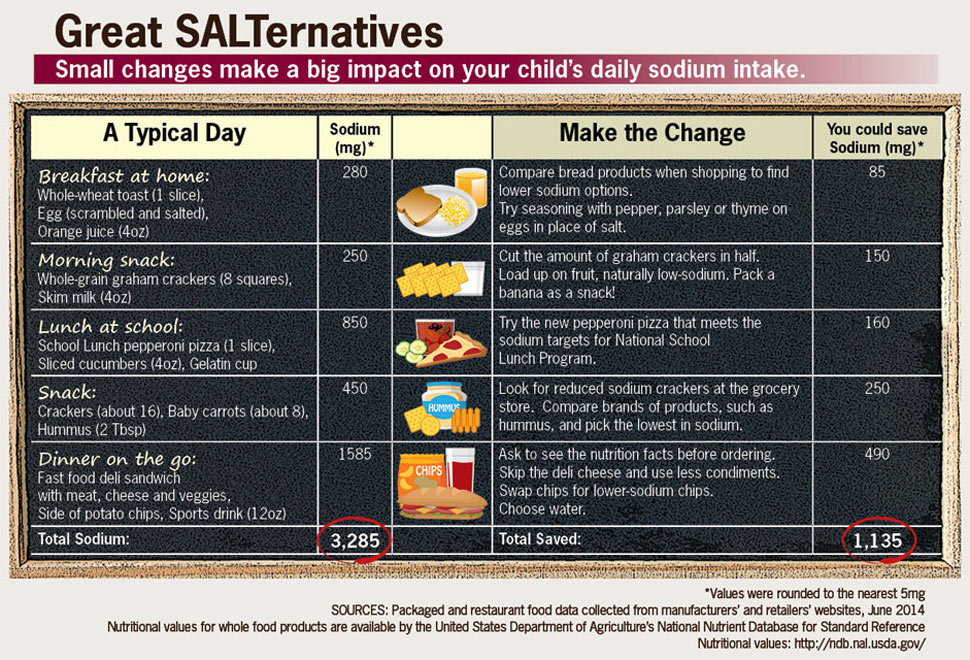
Salty Foods Are Causing Big Problems for Our Kids – Eat Drink Better
How to Read Supplement Labels Like a Pro - Healthline Ingredients. When selecting a supplement, reading the ingredient label is key. Check carefully for ingredients like fillers, sweeteners, preservatives, and additives, all of which will be listed ...

Interpreting food labels | ENCOGNITIVE.COM
Reading food labels - Food Allergy Education How to read food labels that meet the new PEAL law Under the new PEAL law, common food allergens are to be listed with the plain English name alongside the actual ingredient name. This is shown in the label example below. In the statement of ingredients, declarations must: Be in bold font. Have bold font contrasting distinctly with other text.

nutrition labels percentages - Google Search | Nutrition facts label, Nutrition labels ...
Reading food labels & nutrition panel - Diabetes Queensland Reading food labels When choosing packaged food, choose products with: lower energy (kilojoules) if you are trying to lose weight lower total and saturated fat lower sugar lower sodium higher fibre Every food label tells a story and the Nutrition Information Panel simply gives you the facts.

Example: Reading Nutrition Labels Activity | Curriki Library
How to read food labels | New Idea Magazine Here are some tips on how to read food and nutritional labels: Nutritional panel Considered the most valuable part of the label, this panel shows the average amount of energy - measured in kilojoules - protein, fat, saturated fat, total carbohydrates, sugars and sodium in a product.

Not sure how to read food labels? - Cancer Council Western Australia
Label reading - Baker Label reading This fact sheet gives you guidance on understanding how to read nutrition information panels to help you identify healthy choices. This fact sheet will allow you to identify processed and packaged foods that are: lower in energy (kJ) lower in saturated and trans fat lower in sugar lower in sodium (salt) higher in dietary fibre.

Nutrition facts label - Wikipedia
How to understand food labels - Eat For Health The Nutrition Information Panel on a food label offers the simplest and easiest way to choose foods with less saturated fat, salt (sodium), added sugars and kilojoules, and more fibre. It can also be used to decide how large one serve of a food group choice or discretionary food would be and whether it's worth the kilojoules.

Heart Healthy Eating: the Lowdown on Hidden Salt! - Ottawa Mommy Club | Nutrition facts label ...
Labelling poster - how to read food labels This interactive resource explains the food labelling requirements set out in the Food Standards Code and what that information means. Click on the numbers to find out more about food labelling. A useful poster is also available. You can download a copy here (PDF 372KB), or for a printed A2 version please email information@foodstandards.gov.au.
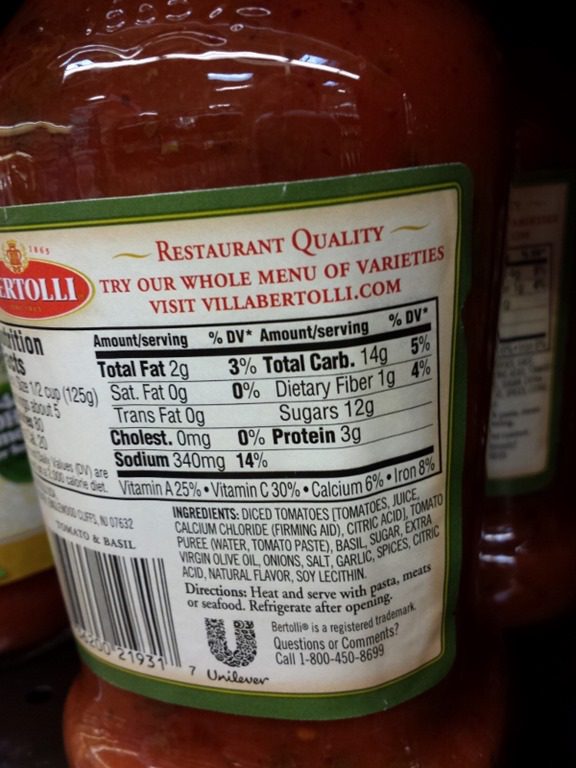
She Cooks. She Lifts. : Easy Food Swaps
Understanding food labels: How to read Australian nutritional panels Under FSANZ rules, these labels must reveal how much of the following is in the product: Energy (in kilojoules or both kilojoules and calories) Protein Fat Saturated fat Carbohydrates Sugars Sodium (salt) These contents must show average amount per 100g (or 100ml for liquids) and per serving. A breakdown of what's on nutrition labels
Post a Comment for "41 reading nutrition labels australia"