42 australian food labels explained
Organic Labelling Explained - NASAA Organic The spring leaf, NASAA Organic label is used by NASAA Certified Organic (NCO) operators. At present there are two style variations of the label: Original spring leaf NASAA Organic label Phasing out by early 2021 New look spring leaf NASAA Organic label Available from 2019 Food labels & nutritional information | Raising Children Network protein. fat. carbohydrates. sugars. dietary fibre. sodium. The nutritional information on food labels helps you work out how healthy a food is. But keep in mind that some of the healthiest foods can be unlabelled - fresh fruit and vegetables, wholegrain breads, nuts, lentils, beans, fresh lean meats and fish.
Country of origin labelling explained - NSW Farmers WHAT DO COUNTRY OF ORIGIN LABELS LOOK LIKE? A. Three-component standard mark Mandatory for priority food items (such as meat, fruit and vegetables, bread and dairy products) grown, produced or made in Australia. The label includes: The kangaroo in a triangle symbol. A bar chart showing the percentage of Australian ingredients.

Australian food labels explained
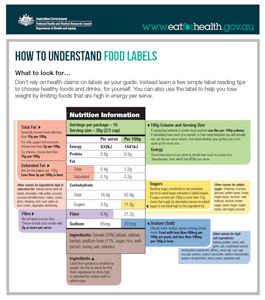
Nutrition information panels, explained - 9Coach How to decipher the nutrition information panel. The panel details the average amount of energy in a food (listed in both kilojoules and calories); how much it contains of the three macronutrients, protein, fat and carbs; and how much sodium (a component of salt) is in it. Knowing how much energy you're eating is especially important if fat ... Plain English Allergen Labelling (PEAL) and FoodWorks - Xyris Changes are coming for labelling allergens on your food products. After several years of consultation, on 25 February 2021 the Food Standards Code was updated with new requirements for labelling allergens in food. Before compliance with the Plain English Allergen Labelling (PEAL) requirements becomes mandatory, there is a 3-year transition period. PDF how to understand food labels - Eat For Health Not all labels include fibre. Choose breads and cereals with Sodium 3g or more per serve Nutrition Information Servings per package - 16 Serving size - 30g (2/3 cup) Per serve Per 100g Energy 432kJ 1441kJ Protein 2.8g 9.3g Fat Total 0.4g 1.2g Saturated 0.1g 0.3g Carbohydrate Total 18.9g 62.9g Sugars 3.5g 11.8g Fibre 6.4g 21.2g 65mg 215mg
Australian food labels explained. How to read an Australian wine label - Wine Selectors Front of the label Generally a front label will include the following: Producer's company name Brand name Geographical indication/region Prescribed name of grape variety or blend Vintage Volume statement. Trophy or medal logo if it has any - awarded at Wine Shows, Trophy is the highest award. What egg labels mean | Egg labels explained | World Egg Day - Food Some of the most common egg carton labels. Eggs can be labelled according to their size, from small to jumbo. In Australia, there are no regulations on egg sizes, so companies tend to grade their ... 10 Rules For Reading a Food Label - YouTube The basics for understanding a nutrition label are important for every person to know. This video presents clear rules to properly read a food label. This vi... Easy Guide to Understanding Food Labels When You Have High ... - MyDoc 1. Choose products low in saturated fat, trans fat and cholesterol. When shopping for food, use the nutrition information panel to compare and choose products with lower fat, saturated fat and cholesterol content. Saturated fat is a type of fat that raises your total and LDL cholesterol and risk of heart disease, so intake should be limited.
Understanding food labels fact sheet - NDSS Understanding how to read food labels can help you choose foods with more fibre and less saturated fat, salt (sodium), added sugars and kilojoules. Food labels will typically include a nutrition information panel, list of ingredients, the 'use by' or 'best before' date and identify potential food allergens and additives. Food labels ... Iconic Australian Food | 17 Australian Foods You Should Try Barramundi is the Aboriginal name for this type of sea-bass found in Australia and the Indo-Pacific. Barramundi literally translates as "large-scaled silver fish". You have to try this fish, it's very popular for good reason - it's delicious! Barramundi by flickr 15. Lamingtons If you like coconut you'll love this very Aussie food - the Lamington. Importing Food Into Australia: The Process Explained - ICE Cargo Clause 9, Item 1 of the Regulation specifies that "Food" is a good whose import without a trade description is prohibited. The details required for a label include the following: An accurate description of the goods and details of processing; The labels must be prominent, and legible. Labels must be in English. Differences between EU and US nutrition labels go far beyond ounces and ... The US. In the US, the Food and Drug Administration (FDA) is responsible for labeling. The agency's rules for what must be included on a packaged product's label; what can, under certain ...
Understanding Food Labels | The Nutrition Source | Harvard T.H. Chan ... Under the Food Allergen Labeling and Consumer Protection Act of 2004, eight major food allergens—milk, fish, tree nuts, peanuts, shellfish, wheat, eggs, and soybeans—are required to be listed in a "contains" statement near the Ingredients list if present in a food. An example would be "contains wheat, milk, and soy." How To Read Food and Beverage Labels - National Institute on Aging There are three types of product dates commonly printed on packaged foods and beverages: "Sell by" tells how long the manufacturer suggests that a store should sell items such as meat, poultry, eggs, or milk products. Make sure you buy by this date. "Use by" tells how long items will be at peak quality. How to understand food labels | Eat For Health The Nutrition Information Panel on a food label offers the simplest and easiest way to choose foods with less saturated fat, salt (sodium), added sugars and kilojoules, and more fibre. It can also be used to decide how large one serve of a food group choice or discretionary food would be and whether it's worth the kilojoules. Use-by and best-before dates - Food Standards The food supplier is responsible for placing a use-by or best-before date on food. Foods that must be eaten before a certain time for health or safety reasons should be marked with a use-by date. Foods should not be eaten after the use-by date and can't legally be sold after this date because they may pose a health or safety risk.
How to understand Nutrition food labels (EU/UK) — Gemma Sampson
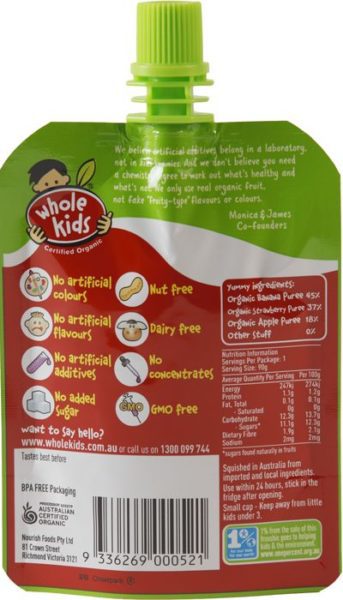
What you Need to Know About Food Labelling | Whole Kids In Australian food labels this is easily deduced by checking each nutrient's weight percentage per 100 gr, which is listed on the right side of the nutrient list. Nutrient List Next comes the nutrient list, which provides consumers with information regarding some key nutrients that are deemed either potentially harmful, or nutritionally desirable.

Labelling poster - how to read food labels
Food labels - Better Health Channel Food labels carry useful information to help you make informed choices about what you and your family eat and drink. Most packaged foods are required to have a label with this information, but the information required depends on the food type. The food label will tell you all sorts of information, including: what the food is manufacturer's details

Understanding the USDA Organic Label | USDA
Country-of-origin food label revamp explained - Good Food Packaged food must carry a label stating either (1) which country the food was grown in, produced or made or (2) the name of the country where the food was made or packed, and that the product is a mix of imported ingredients, or a mix of imported and local ingredients. Where does the current system leave consumers? In a word - confused.
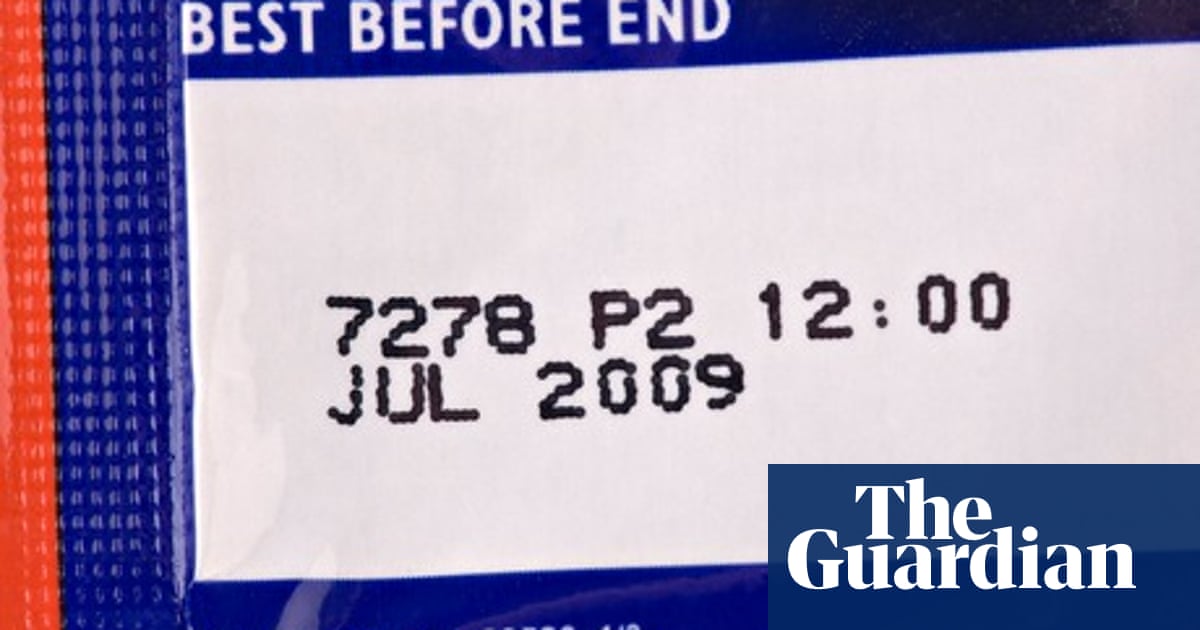
Guide to food date labels | Live Better | The Guardian
How to read a food label - Healthy Kids Phone 02 9876 1300 or 1300 724 850 for those outside of Sydney.
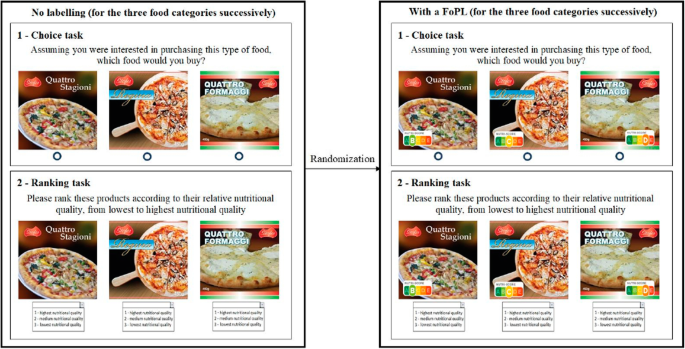
Consumers' food choices, understanding and perceptions in ...
Ratings & Symbols Explained - AGFG The first rating is a 'Crossed Spoon & Fork' symbol representative of an establishments style and facilities offered. A restaurants cuisine is rated independently of their setting. ' Chef Hats ' are awarded for consistent culinary excellence. Fully Licensed Restaurants in Formal Surrounds with Faultless Grand Traditional Service
Compared to other front-of-pack nutrition labels, the Nutri ...
Labelling - Food Standards The Food Standards Code includes the general labelling and information requirements (Chapter 1 of the Code) that are relevant to all foods, and sets out which requirements apply in different situations (for example food for retail sale, food for catering purposes, or an intra-company transfer).
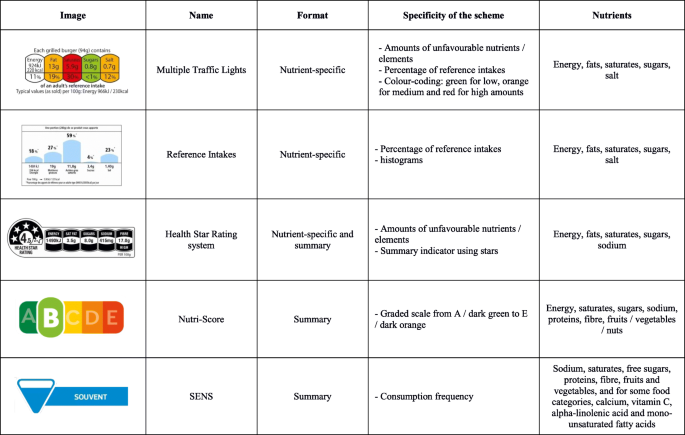
Modelling the impact of different front-of-package nutrition ...
Food labels explained | SA Health Food labels provide information to help us make healthier and safer food choices. They: tell us which nutrients, in what amounts, are in a product warn us if a food contains food allergens inform us if the food is fresh or out of date explain how to store, prepare or cook the food we buy list product ingredients

How to decode a food label - BBC Future
How to Understand and Use the Nutrition Facts Label | FDA - U.S. Food ... For certain products that are larger than a single serving but that could be consumed in one sitting or multiple sittings, manufacturers will have to provide "dual column" labels to indicate the...
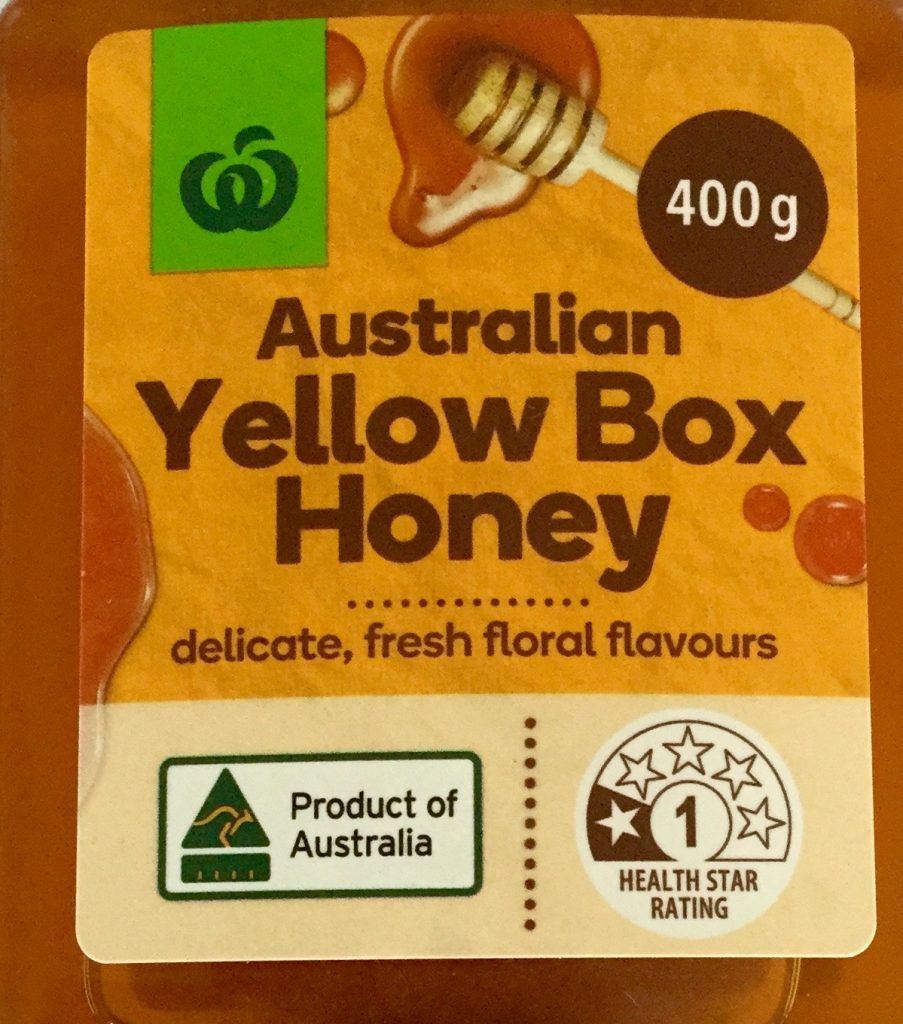
Honey Labelling Guidelines 10 Sweet Tips for Aussie ...
Food labels - NHS Some front-of-pack nutrition labels use red, amber and green colour coding. Colour-coded nutritional information tells you at a glance if the food has high, medium or low amounts of fat, saturated fat, sugars and salt: red means high amber means medium green means low In short, the more green on the label, the healthier the choice.
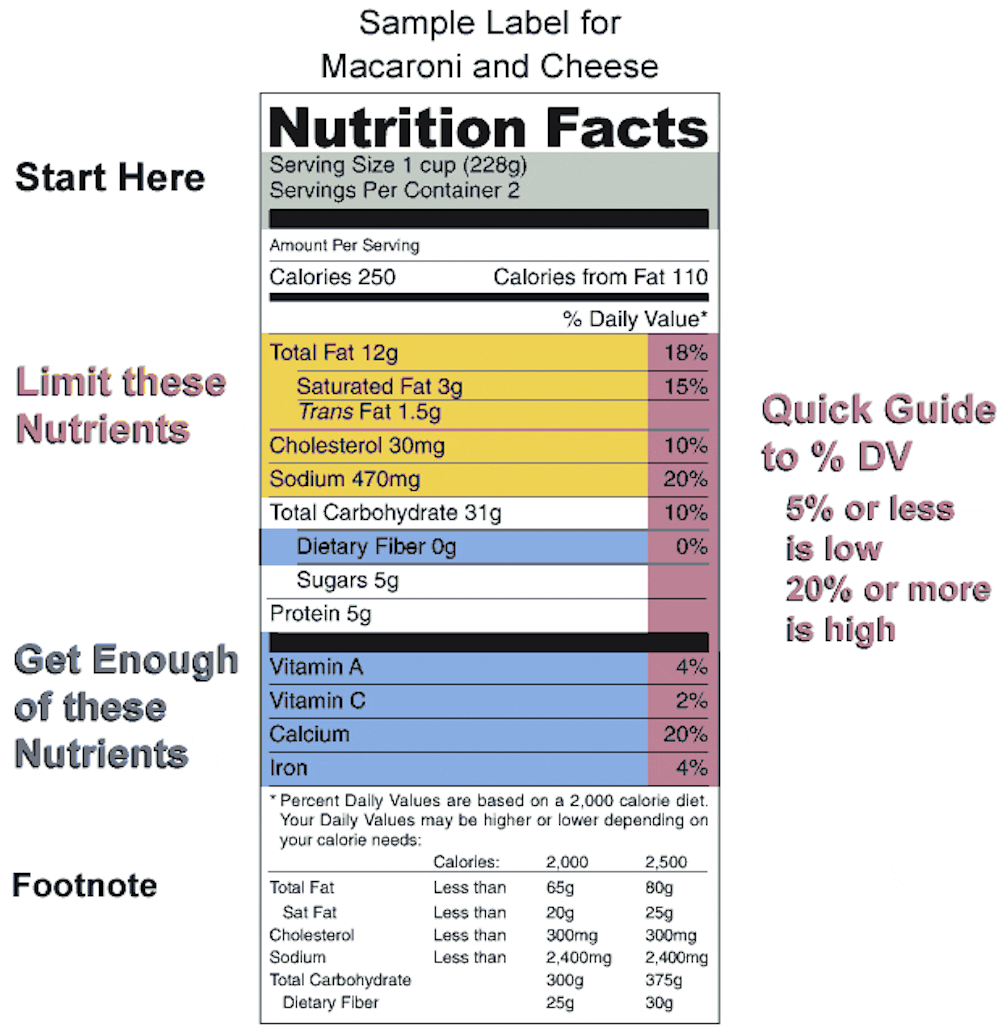
Why most food labels are wrong about calories
Looking at labels - British Nutrition Foundation The government's recommended format is red, amber, green colour-coding and percentage reference intakes (RIs), or as you may better recognise it - traffic light labelling! Using front-of-pack labels is really useful when you want to quickly compare different food products.
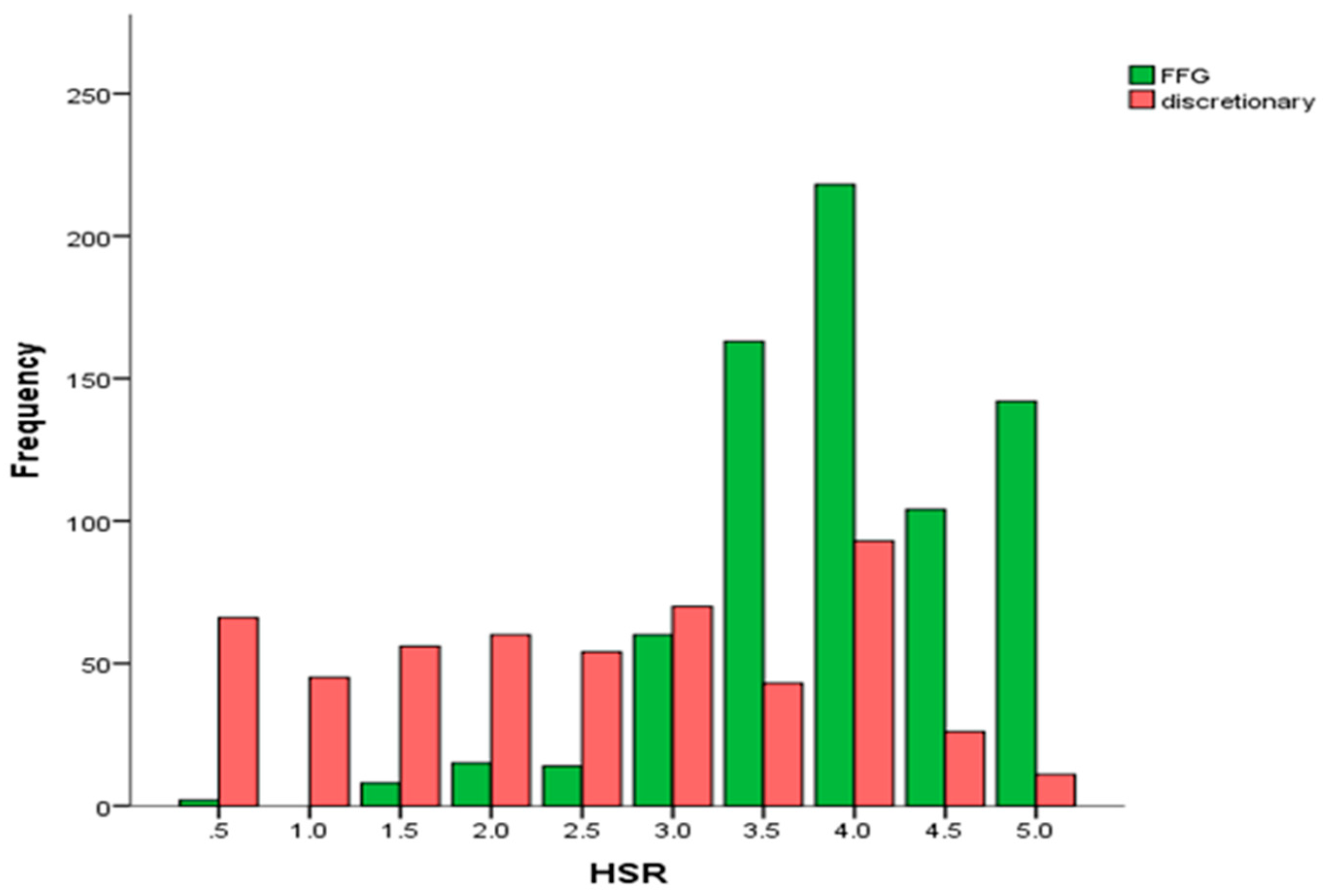
Nutrients | Free Full-Text | Do Nutrient-Based Front-of-Pack ...
PDF how to understand food labels - Eat For Health Not all labels include fibre. Choose breads and cereals with Sodium 3g or more per serve Nutrition Information Servings per package - 16 Serving size - 30g (2/3 cup) Per serve Per 100g Energy 432kJ 1441kJ Protein 2.8g 9.3g Fat Total 0.4g 1.2g Saturated 0.1g 0.3g Carbohydrate Total 18.9g 62.9g Sugars 3.5g 11.8g Fibre 6.4g 21.2g 65mg 215mg
Redesigning Australian Food Labels: Feedback Wanted : r/australia
Plain English Allergen Labelling (PEAL) and FoodWorks - Xyris Changes are coming for labelling allergens on your food products. After several years of consultation, on 25 February 2021 the Food Standards Code was updated with new requirements for labelling allergens in food. Before compliance with the Plain English Allergen Labelling (PEAL) requirements becomes mandatory, there is a 3-year transition period.
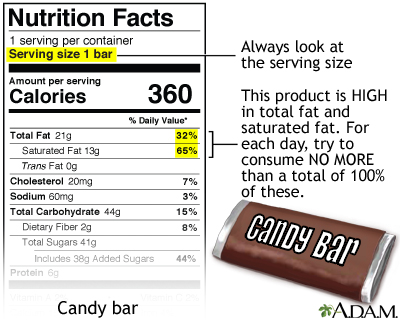
How to read food labels: MedlinePlus Medical Encyclopedia
Nutrition information panels, explained - 9Coach How to decipher the nutrition information panel. The panel details the average amount of energy in a food (listed in both kilojoules and calories); how much it contains of the three macronutrients, protein, fat and carbs; and how much sodium (a component of salt) is in it. Knowing how much energy you're eating is especially important if fat ...

How to Read Food Labels in 8 Easy Steps - Erin O'Neill ...
Compared to other front-of-pack nutrition labels, the Nutri ...
How to read food labels | healthdirect
What you Need to Know About Food Labelling | Whole Kids

Australian Guide to Healthy Eating | Eat For Health

How to Read Food Labels & Understand Nutrition Info Panel ...

What you Need to Know About Food Labelling | Whole Kids
Front-of-pack nutritional labels: Understanding by low- and ...
Macronutrients - Healthy Kids

Nutrition facts label - Wikipedia

What Is A Standard Drink Definition In Australia?

Australia’s food labels are getting clearer – English

Australian Labels – Salt Matters

Strict Made in Australia food labelling laws come into effect ...

How to Read Food Labels in 8 Easy Steps - Erin O'Neill ...

HOW TO READ FOOD LABELS IN AUSTRALIA

Nutrition knowledge, and use and understanding of nutrition ...

Understanding food labels

Healthy Working - C3

A narrative review of online food delivery in Australia ...
Modelling the impact of different front-of-package nutrition ...

Redesigning Australian Food Labels: Feedback Wanted : r/australia

Food labels: understanding what's in my food | Sanitarium ...
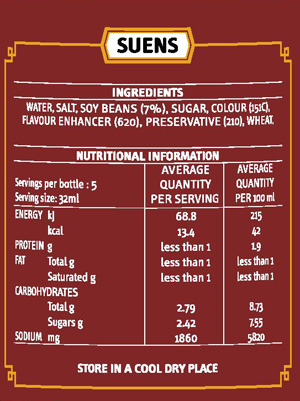
Food labelling for food importers

Redesigning Australian Food Labels: Feedback Wanted : r/australia

Nutrition labels and claims in New Zealand and Australia: a ...
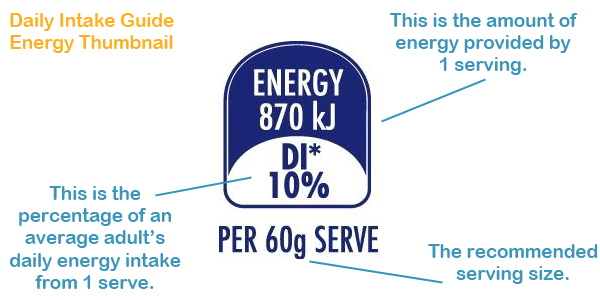
Daily Intake Guide: Healthy eating, made easy. Front-of-pack ...
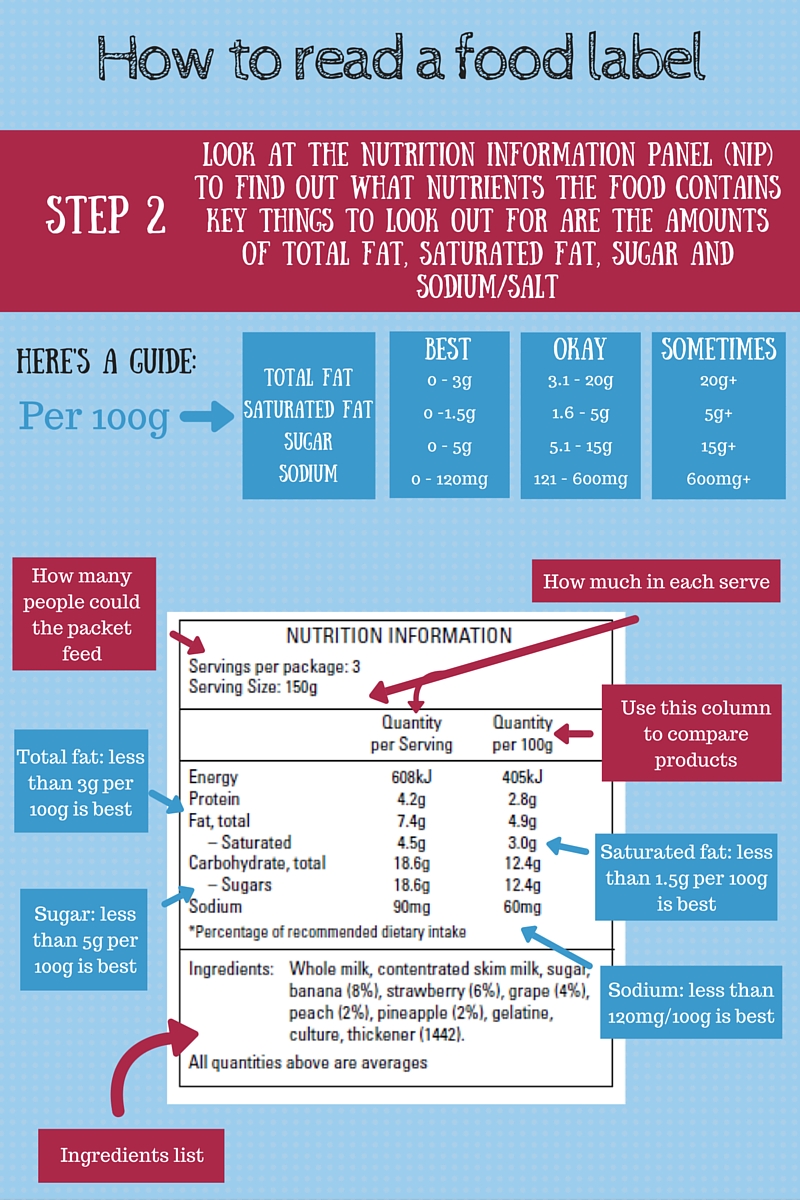
How to read a food label - Healthy Kids

Honey Labelling Guidelines 10 Sweet Tips for Aussie ...
Post a Comment for "42 australian food labels explained"